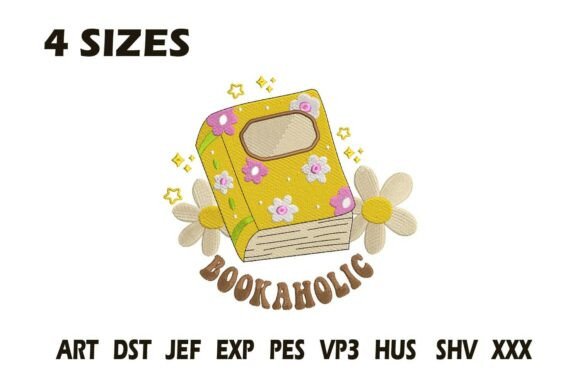
Bookaholic Embroidery Design Review for Business
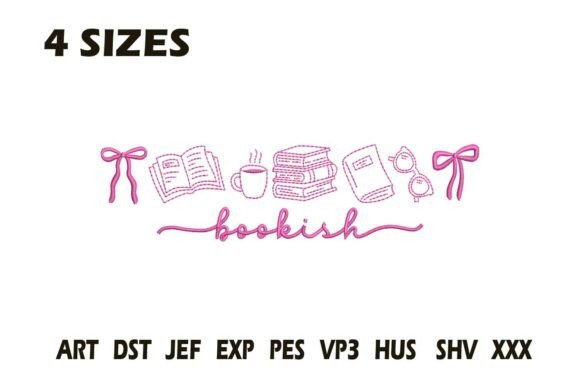
As an embroidery designer who has spent years digitizing and reviewing files for commercial use, I approach every new machine embroidery design with a critical eye toward its viability in the marketplace. When I first loaded the Bookaholic Embroidery Design into my software, my immediate impression was one of whimsical charm mixed with practical versatility. The description promises a playful touch suitable for t-shirts, towels, and home decor, but for small business owners and apparel decorators, the real question is whether this file can withstand the rigors of commercial production while elevating a brand's identity.
This review evaluates the Bookaholic Embroidery Design specifically through the lens of business application. Whether you run a cozy bookstore café, a boutique selling handmade goods, or an online shop creating custom merch for readers, understanding how this design performs on various substrates is crucial before you commit to a production run.
Visual Personality and Brand Fit
The aesthetic of the Bookaholic Embroidery Design leans heavily into the "friendly" and "handmade" categories. It does not scream corporate rigidity; instead, it invites connection. For businesses in the School sector, such as library programs or reading clubs, this design offers an approachable visual language that encourages participation. However, its utility extends far beyond education. Imagine a local bakery offering a "pastry and prose" morning; stitching this design onto staff aprons instantly communicates the theme without needing excessive text.
The design feels decorative yet grounded enough to serve as a primary logo accent for niche brands. If your brand identity revolves around creativity, storytelling, or slow living, this embroidery file aligns perfectly with those values. It adds a layer of personality to what might otherwise be a plain garment, transforming a standard tote bag or cap into a conversation starter. For Etsy sellers and crafters, this kind of specific thematic imagery is gold, as it targets a passionate demographic of book lovers who are always looking for ways to display their interests.
Real-World Applications for Small Business Merch
In a commercial setting, versatility is king. I envision the Bookaholic Embroidery Design working exceptionally well as an embroidered patch. Patches are a low-risk way for small businesses to test new merchandise lines. You can produce a batch of these patches and iron them onto denim jackets, canvas backpacks, or even sell them as standalone accessories. Because the design is described as playful, it suits the casual nature of patch culture perfectly.
For custom apparel shops, this design is ideal for chest logos on work shirts or sleeve details on hoodies. Consider a independent bookshop outfitting their team; placing this design on the left chest of a polo shirt creates a unified look that is professional yet fun. It also shines in apron embroidery. In a creative studio or a flower shop that hosts workshops, an apron featuring this design sets the tone for the event before a single word is spoken.
Furthermore, do not overlook its potential for cap embroidery. While curved surfaces can be tricky, a well-digitized version of this design could look fantastic on a dad hat or a beanie, appealing to customers who want subtle branding. For those selling small business merch online, using this design on tote bags is a no-brainer. Book lovers frequently carry books, and a sturdy canvas bag with this whimsical stitch work becomes a functional piece of marketing that travels wherever your customer goes.
Technical Considerations and Production Challenges
While the artistic merit is clear, we must address the technical execution. The product description mentions suitability for towels and home decor, which implies the design handles varied fabric texture well. However, when scaling this down for small applications, caution is required. If you intend to use this as a tiny label or a small pocket emblem, you must verify the stitch density. High density in small areas can lead to puckering, especially on lighter fabrics like t-shirts.
Curved surfaces, such as the front of a cap, demand careful hooping and potentially a different underlay strategy than flat garments. Before running a full batch, I strongly advise testing the digital embroidery file on the exact material you plan to use. Dark uniforms may require careful selection of thread colors to ensure the playful elements pop against the background; a lack of contrast could render the details invisible from a distance.
Additionally, items subject to frequent washing, like staff uniforms or kitchen towels, need robust stabilization. Ensure you are using the correct stabilizer to prevent the design from shifting or degrading after multiple wash cycles. Since the specific hoop size and exact stitch count are not detailed in the provided snippet, you must check the file properties upon download. Confirming these specs is vital to ensure the design fits your machine's capabilities and your intended placement area.
Impact on Customer Trust and Product Value
Investing in high-quality embroidery directly influences perceived value. A sloppy or poorly chosen design can cheapen a brand, but a thoughtful asset like the Bookaholic Embroidery Design enhances it. When a customer receives a product with clean, charming embroidery, it signals attention to detail. This builds brand identity and fosters trust. It tells the customer that you care about the finished product, not just the quick sale.
For handmade brands, consistency is key. Using this design across various touchpoints—from employee uniforms to customer gifts—creates a cohesive visual narrative. It helps in building recognition; soon, patrons will associate that specific whimsical book motif with your shop's unique atmosphere. In the competitive landscape of commercial embroidery, these subtle differentiators are often what turn a one-time buyer into a loyal advocate.
Designer Notes for Successful Implementation
To maximize the potential of this design, follow these practical steps before going to production:
- Test in Monochrome: Run a sample in black and white first to evaluate the clarity of the lines and spacing without the distraction of color.
- Check Scalability: Verify if the design holds up at smaller sizes, particularly if you plan to use it for patches or pocket logos.
- Review Contrast: Ensure your chosen thread colors provide sufficient contrast against your base fabric, especially for dark uniforms.
- Inspect Spacing: Look closely at the digitizing to ensure there are no overly tight areas that could cause thread breaks or bird nesting.
- Confirm Hoop Size: Double-check that the design dimensions fit within your available hoop options for the intended garment.
- Fabric Testing: Always stitch out on a scrap piece of the actual production fabric to check for puckering or pull.
- Stabilizer Selection: Match your stabilizer type (cut-away vs. tear-away) to the fabric weight and the item's end use.
- Create Mockups: Generate a printable mockup for client approval or social media teasers before committing to thread and material costs.
- Asset Comparison: Place this design beside your other design assets to ensure it complements your existing visual ecosystem.
- Licensing Verification: Crucially, confirm the commercial licensing terms included with the file to ensure you are cleared for resale or branded merchandise use.
In conclusion, the Bookaholic Embroidery Design offers a delightful blend of character and utility for the discerning decorator. While it requires standard due diligence regarding sizing and stabilization, its potential to enhance small business merch and strengthen brand connections is significant. By treating this file not just as decoration but as a strategic business asset, you can create products that resonate deeply with your audience.