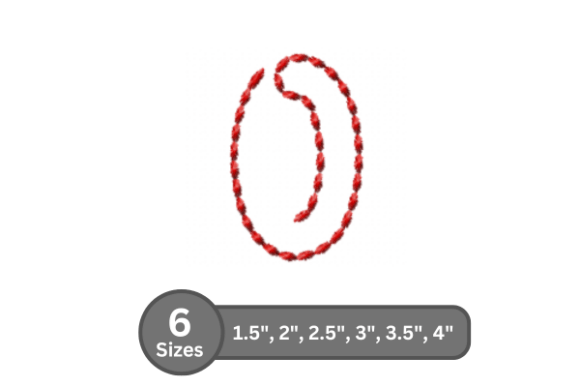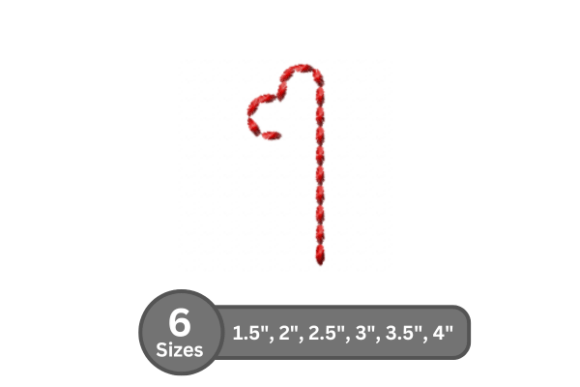
Soft Cord Number -1 Review for Boutique Apparel
As an embroidery designer constantly curating digital assets for my boutique clothing line, I approach every new machine embroidery design with a critical eye. It is not just about whether a file opens; it is about how that design translates onto fabric, how it withstands washing, and ultimately, how it elevates the perceived value of the finished product. Recently, while scouting for elements to refresh my upcoming seasonal collection, I discovered Soft Cord Number -1 on Creative Fabrica. This fill stitch font immediately caught my attention for its potential in creating high-end, personalized garments.
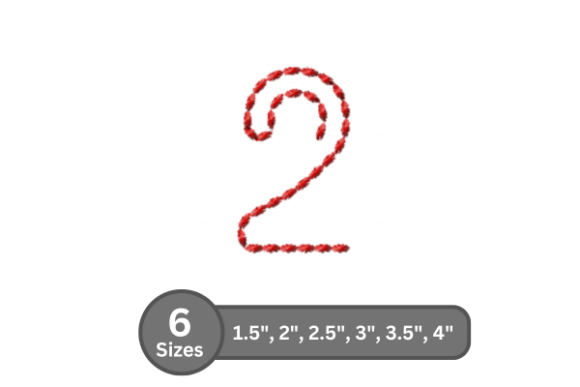
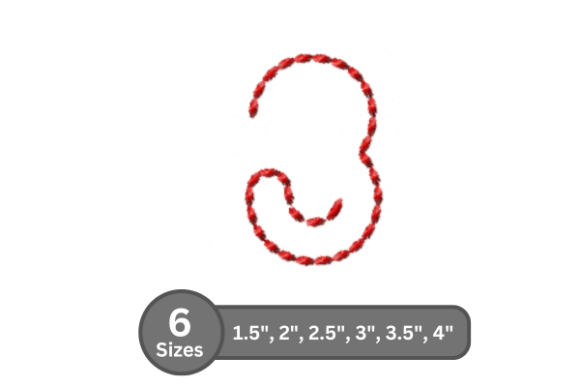
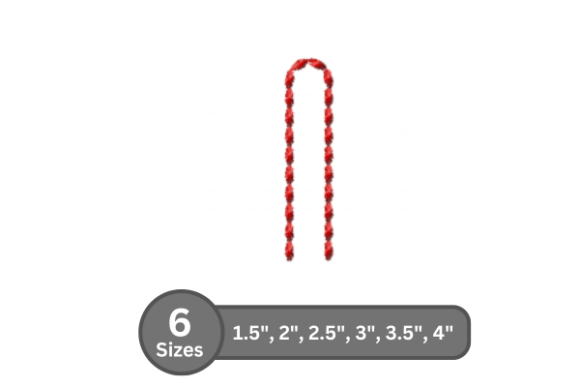
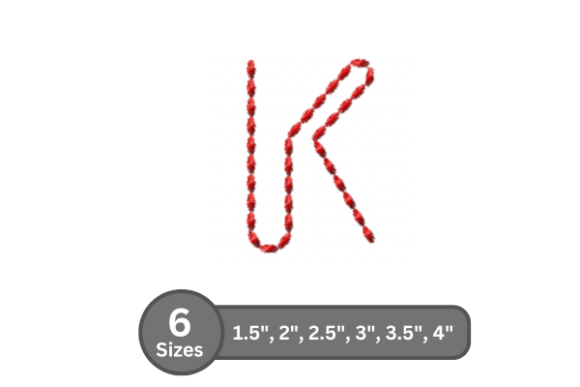
The first impression of Soft Cord Number -1 is one of understated elegance mixed with a sporty, collegiate vibe. The description notes that this is a fill stitch embroidery font carefully digitized for smooth stitching and professional results. Visually, the "cord" aspect suggests a rounded, rope-like texture that adds dimension without being overly bulky. For a designer planning a boutique brand, this visual personality is crucial. It strikes a balance between the rugged durability needed for sweatshirt embroidery and the refined look required for lifestyle product photos. It feels premium yet accessible, making it a versatile choice for everything from oversized hoodies to structured denim jackets.
Evaluating Visual Mood and Stitching Performance
When preparing a small sweatshirt or hoodie collection for an online shop, the choice of typography can make or break the aesthetic. Soft Cord Number -1 offers a classic, slightly rustic charm that pairs exceptionally well with neutral sweatshirts and pastel hoodies. The fill stitch construction provides excellent coverage, which is vital when working with dark apparel where the base fabric might otherwise peek through lighter thread colors. However, the true test lies in the stitching mood. Does it look handmade or mass-produced? In my assessment, the careful digitization promises a clean edge that signals quality to the customer.
For hoodie design specifically, chest placement is a popular trend. The rounded nature of the cord style softens the look of block numbers, making them feel more inviting and less like a sports uniform. This is perfect for custom apparel aimed at a lifestyle market rather than a strict athletic one. When considering sleeve accents or back designs, the density of the stitch play a significant role. A dense fill can add weight and structure, but on stretchy fabrics like fleece or ribbed cuffs, it requires careful handling. The design seems robust enough to hold its shape, but I would advise testing on scrap fabric first to ensure the material does not pucker under the weight of the thread.
Ideal Applications for Boutique Merchandise
Beyond standard garments, the versatility of this embroidery file extends to various handmade product categories. Here is how I envision utilizing Soft Cord Number -1 across different items:
- Tote Bag Design: The durability of the fill stitch makes it ideal for canvas bags, offering a textured look that stands out against the weave of the fabric.
- Denim Jackets: The corded effect mimics the thick seams of denim, creating a cohesive and rugged aesthetic for outerwear.
- Cozy Seasonal Outfits: Perfect for adding monograms or birth years to family matching sets, enhancing the sentimental value of the gift.
- Etsy Listings: High-contrast thread colors on this font create striking thumbnails for social media graphics and printable mockups, driving customer engagement.
For an Etsy seller or small shop owner, consistency is key to building buyer trust. Using a distinct font like Soft Cord Number -1 across a range of products helps establish visual consistency and product recognition. When a customer sees that specific corded texture, they immediately associate it with your brand identity. This level of professional presentation can significantly affect apparel value, allowing you to price your items higher than generic, heat-pressed alternatives.
Technical Considerations and Fabric Compatibility
While the potential is high, practical execution requires attention to detail. The product description highlights its suitability for clothing, bags, and towels, but as a designer, I know that fabric texture dictates success. When working with stretchy fabric or heavy fleece, the choice of stabilizer is non-negotiable. A cut-away stabilizer is likely necessary to support the fill stitches and prevent distortion over time. Furthermore, curved surfaces, such as the shoulder of a raglan tee or the pocket of a hoodie, demand precise hooping. The hoop size must be large enough to accommodate the number without re-hooping, which can lead to misalignment.
It is also important to consider the limitations regarding tiny lettering. Fill stitches, by their nature, have a minimum size requirement to maintain clarity. If you attempt to scale Soft Cord Number -1 down too small for a subtle chest placement, the details may merge, losing the "cord" definition. Additionally, areas that may stretch or wrinkle frequently, like the elbow of a sweater or the bottom hem of a shirt, should be approached with caution. Dense stitch areas can restrict the natural give of the fabric, leading to discomfort or seam puckering.
Maximizing Commercial Value and Brand Identity
In the realm of commercial embroidery, the difference between a hobbyist item and a sellable product often comes down to the finish. Soft Cord Number -1 has the capacity to elevate a basic garment into a statement piece. By carefully selecting thread colors that contrast beautifully with the garment—such as cream thread on a chocolate brown hoodie or navy on heather grey—you create a sophisticated look that appeals to a broader audience. This attention to detail fosters customer engagement and encourages repeat business.
For those creating printable mockups or digital previews, the three-dimensional quality of this font renders beautifully, giving potential buyers a realistic idea of the texture they will receive. This transparency builds trust before the purchase is even made. Whether you are designing for the School category, creating team spirit wear, or launching a fashion-forward streetwear line, the professional results promised by this digitization can be a cornerstone of your collection.
Final Designer Notes and Recommendations
Before integrating Soft Cord Number -1 into your production workflow, I strongly recommend a series of tests. Always test on similar garment fabric to gauge how the stitch density interacts with the material. Check the Creative Fabrica product details and licensing terms thoroughly before selling finished apparel to ensure compliance with commercial use policies. Since specific technical data like exact stitch count or compatible machine models are not explicitly detailed in the short description, it is wise to confirm those details or download a sample if available.
- Review thread color contrast options to maximize visibility on dark garments.
- Confirm hoop size requirements to avoid unnecessary re-positioning.
- Inspect stitch density settings on your machine to ensure smooth saturation.
- Compare placement options on both flat and curved surfaces.
- Verify the license allows for the sale of physical goods if you are a digital seller or boutique owner.
In conclusion, Soft Cord Number -1 represents a solid investment for embroidery designers looking to expand their repertoire with a reliable, aesthetically pleasing font. Its blend of classic style and modern applicability makes it a standout choice for anyone serious about producing high-quality, branded apparel. By respecting the technical nuances of fill stitching and leveraging its visual strengths, you can create products that not only look good but stand the test of time and wear.